Problem Solver SVG: Graphics for T-Shirt Designs
As a graphic designer who spends the majority of my week juggling brand identities, marketing visuals, and custom merchandise for small business clients, I have learned to be skeptical of generic digital assets. We all know the struggle: downloading a graphic design asset that looks promising in the thumbnail but falls apart when you try to scale it or apply it to a real-world product. Recently, I had the opportunity to review the Problem Solver SVG for a client project involving a local educational boutique and a teacher-focused Etsy shop. My goal was to determine if this vector file held up under professional scrutiny and whether it could serve as a reliable component in a broader brand identity strategy.
First Impressions: Visual Mood and Style
The first thing that strikes you about the Problem Solver SVG is its clean, confident aesthetic. It does not rely on overly complex textures or chaotic elements, which is a relief for anyone who has ever tried to weed a complicated Cricut project. The design exudes a sense of playful intelligence, making it an ideal fit for projects that need to balance professionalism with approachability. For my client, a math tutor launching a line of educational materials, the mood was perfect. It felt modern yet timeless, avoiding the trap of looking too "trendy" and therefore dating quickly.
This SVG design works particularly well because it is versatile. It is not just a static image; it is a functional piece of creative design that can anchor a layout. Whether you are building a logo design for a tutoring center or creating fun social media graphics for Instagram, the visual weight of this asset is balanced. It commands attention without shouting, which is crucial for maintaining visual hierarchy in crowded marketing materials.
Performance in Real Client Projects
In my line of work, versatility is king. I tested the Problem Solver SVG across several different mediums to see how it performed. Here is where it truly shines:
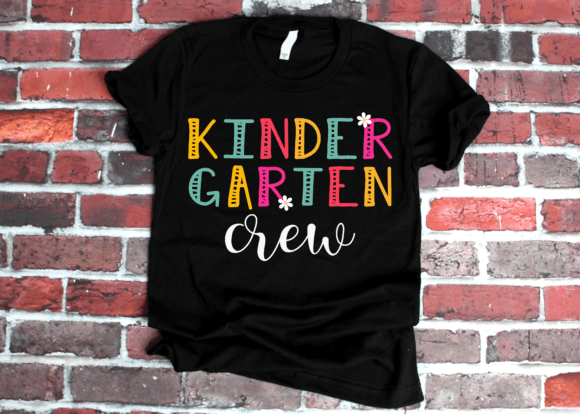
- T-Shirt Designs and Apparel: This is arguably the strongest use case. As a Math Teacher Shirt SVG, it translates beautifully onto fabric. I applied it to a mockup for a heather grey tee, and the lines remained crisp. Because it is compatible with cutting machines like Silhouette and Cricut, it is a dream for print-on-demand sellers who need reliable cut files. The weeding process is straightforward, saving time during production.
- Packaging Design and Labels: For my client’s printable worksheet bundles, I used the graphic as a seal on the PDF cover. It added a layer of polish that elevated the perceived value of the digital product. It works equally well on physical packaging, such as stickers for pencil cases or tote bags.
- Marketing Visuals and Social Media: I incorporated the asset into a series of Pinterest pins and Instagram posts. The clean lines allowed me to pair it with both serif font and sans serif font typography without creating visual conflict. It served as an excellent decorative accent that reinforced the theme without overpowering the copy.
- Printable Wall Art and Decor: For a classroom decor collection, the design scaled up impressively. Large format prints require high-quality vectors to avoid pixelation, and this illustration held its integrity even at 24x36 inches.
Strategic Placement: Where It Works Best
Understanding where to place a clipart or vector element is half the battle in editorial design and web design. The Problem Solver SVG performs best in large layout areas where it can breathe. It serves as an excellent hero graphic for landing pages or the central focus of a product mockup. I found it particularly effective when used as a standalone element on minimalist backgrounds, allowing the cleverness of the design to take center stage.
It also functions well within themed collections. If you are creating a design bundle for back-to-school season, this asset pairs nicely with other academic-themed icons. It helps create a cohesive look for small business branding, ensuring that everything from the website header to the thank-you card feels connected.
Cautionary Notes: When to Use Carefully
While I recommend this asset, professional judgment requires knowing its limitations. You should use the Problem Solver SVG carefully in the following scenarios:
- Small Sizes: While the vector quality is high, intricate details can get lost if the design is shrunk too small, such as on a tiny favicon or a small footer icon. Always test legibility at reduced scales.
- Crowded Layouts: Do not place this over busy patterns or low-contrast backgrounds. The design relies on clear negative space. If you must use it on a complex background, ensure you have a solid color backing or a strong stroke to maintain separation.
- Corporate Minimalism: If your client is a high-end financial firm requiring ultra-strict, sterile corporate branding, this playful design might feel too casual. It is best suited for education, creative industries, and handmade business sectors rather than formal corporate environments.
Impact on Brand Consistency and Trust
A consistent visual language builds trust. When I used the Problem Solver SVG across my client’s touchpoints—from their Etsy product listings to their email headers—it created a sense of reliability. Customers recognize the visual cue, which aids in brand recognition. The professional quality of the PNG design and vector files signals to the audience that the brand cares about quality. This subtle psychological cue can significantly impact audience engagement and conversion rates.
Practical Designer Notes for Commercial Use
Before you integrate this or any commercial design asset into a client project, follow these practical steps to ensure success:
- Test in Black and White: Always check how the design looks in monochrome. This ensures it will work for single-color screen printing or vinyl cuts.
- Check Contrast: Preview the asset on both light and dark backgrounds. Ensure there is sufficient contrast for readability and visual impact.
- Inspect File Formats: The listing includes a ZIP file with various formats. Verify that the SVG is editable in your preferred software (Illustrator, Inkscape, etc.) and that the PNGs have clean transparency.
- Typography Pairing: Experiment with different typefaces. I found that pairing this graphic with a bold display font created a strong statement, while a handwritten font added a personal, teacher-friendly touch.
- Confirm Licensing: Always review the commercial license terms. Ensure you have the right to use the asset for client work, especially if you are selling the final physical or digital products.
- Mockup Testing: Never judge a design solely on your screen. Place it on real sublimation design mockups, such as mugs or shirts, to see how it interacts with curves and fabric textures.
In conclusion, the Problem Solver SVG is a robust addition to any designer’s toolkit. It bridges the gap between fun and functional, making it a valuable resource for T-Shirt Designs, Graphics, and broader marketing visuals. For designers working with educators, creators, or small businesses, this asset offers the flexibility and quality needed to deliver polished, professional results.